Woodland, Duluth, Minnesota
The streetcar suburb that grew into Duluth's university neighborhood.
Woodland is Duluth's university neighborhood and its greenest: 660-acre Hartley Park sits inside it, the University of Minnesota Duluth campus is at its southern edge, and the Woodland Avenue corridor that created it in 1892 still organizes it. Housing runs from prewar bungalows to postwar splits at prices near the citywide median. There are no lake views, and winter above the hill is a genuinely longer season than on the shoreline.
Everything about Woodland
Each part of the Woodland guide has its own page. Start anywhere.
Woodland occupies the plateau above the hill in northeast Duluth, strung along Woodland Avenue from the university campus north past Hartley Park toward Arrowhead Road. It is one of the city's original streetcar suburbs, and unlike Hunter's Park immediately south, it has kept developing steadily ever since, which is why its housing stock spans eighty ...
HistoryWoodland exists because of a streetcar and a racetrack. In the late 1800s the Motor Line Improvement Company laid a single-track electric streetcar line along Woodland Avenue, running from the Endion area up the hill to ground that had until then been too far out to develop. The line opened in 1892, and on opening ...
CharacterWoodland reads as two neighborhoods that share a name. The blocks nearest the university are denser, younger, and busier during the academic year, with more rental conversion and more foot traffic. North of the Hartley trailhead the streets get quieter, the lots get larger, and it feels like a wooded outer neighborhood.
Who lives hereWoodland's household mix is broader than its neighbors', and the university explains most of it. The most visible groups are families with school-age children on the Homecroft to Duluth East pathway, university and hospital employees who want a short commute, and a student and young-renter population concentrated on the blocks nearest campus.
HousingWoodland's stock spans roughly 1900 to 1980, which is the widest window of any neighborhood in this guide and the reason it works across several price points. Near the Woodland Avenue spine and the older blocks, expect Craftsman bungalows, Colonial Revival houses, and the occasional four-square. The interwar layer is Cape Cods and small colonials. ...
SchoolsWoodland sits in Duluth Public Schools (ISD 709). The usual pathway is Homecroft Elementary, then Ordean East Middle School, then Duluth East High School. Attendance boundaries change between years, so confirm your specific address with the district rather than relying on a neighborhood-level statement.
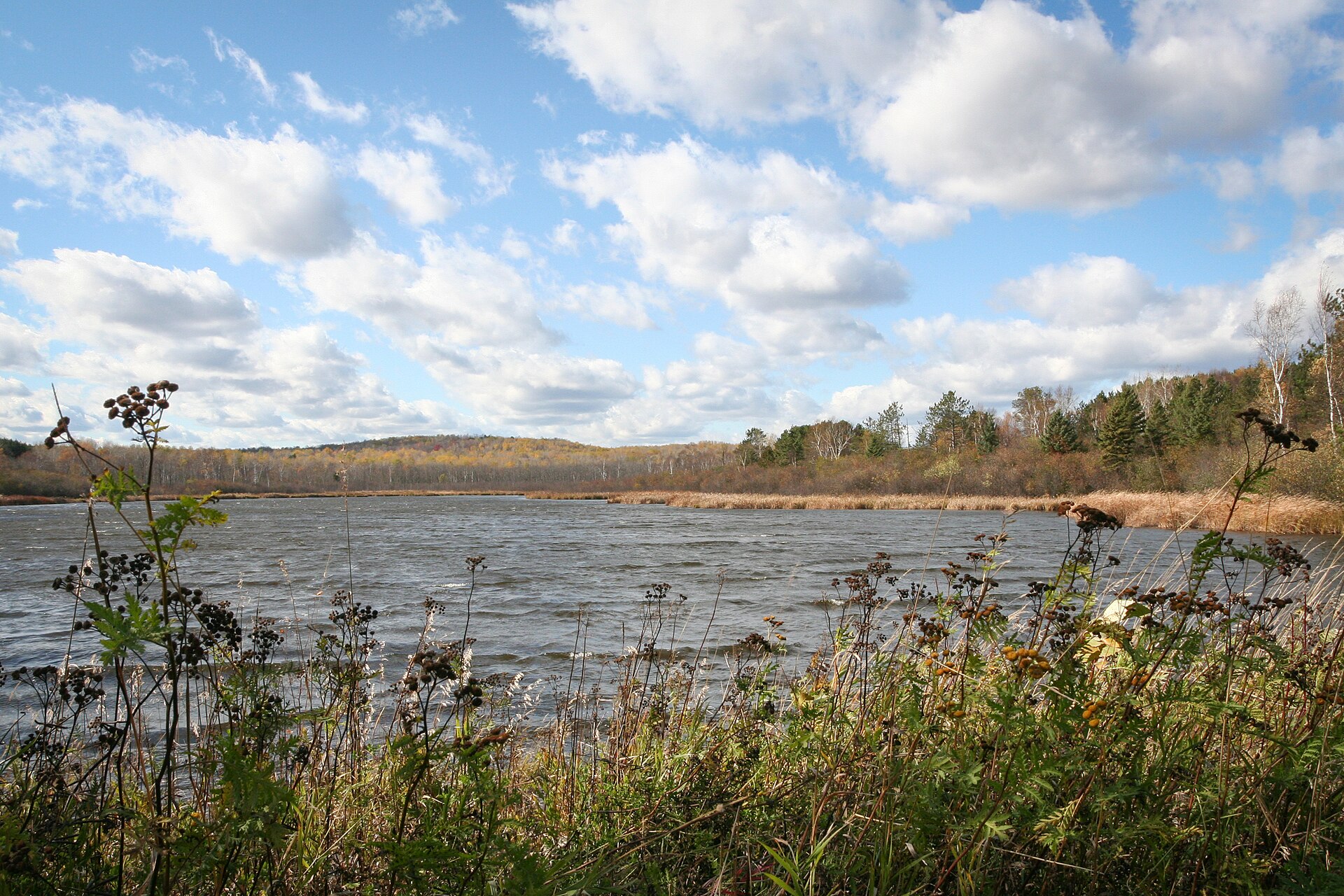
Parks & recreationHartley Park is the reason to live here. Roughly 660 acres of woods, ponds, rock outcrops, and trail sit inside the neighborhood, with the Hartley Nature Center on Woodland Avenue as the main trailhead (City of Duluth, accessed 2026-08-13). It is large enough that you lose the sound of traffic within ten minutes of walking, ...
Restaurants & diningWoodland has a small commercial node at Woodland Avenue and Calvary Road with a handful of everyday businesses, but it is not a dining destination and nobody here pretends otherwise. Eating out means choosing a direction and driving five to fifteen minutes.
Churches & worshipWoodland has the best all-round driving position in this guide. Miller Hill retail and medical is about eight minutes, downtown about eleven, and Duluth International Airport about eleven, which beats every shoreline neighborhood because Woodland sits behind the hill rather than at the end of the twenty-mile lakeshore strip. Superior, Wisconsin is around nineteen. Woodland ...
Safety & feelWoodland reads as a quiet residential neighborhood with a busier, more active edge near the university. Lighting is better along the Woodland Avenue corridor than on the wooded interior streets, and the Hartley trailhead carries steady daytime activity in every season.
Daily lifeErrands run west or downhill. The Kenwood Shopping Center, about two miles away, is the nearest full grocery and covers pharmacy, coffee, and everyday retail in one stop; Mount Royal covers the same ground at a similar distance downhill. Neither is a realistic winter walk from most of the neighborhood.
Local loreThe neighborhood was born on a race day. When the Woodland streetcar line opened in 1892, it could not keep up with the roughly 2,500 people trying to get up the hill to watch the races. The streetcar that created Woodland stopped running in 1939. The corridor it established still determines where the shops, churches, ...
Is it right for you?You will love Woodland if you want a 660-acre park as your back yard and a genuinely central location. This is the Duluth address where you can walk to a trailhead, drive eight minutes to Miller Hill, eleven to downtown or the airport, and five to a university campus. It suits families who will use ...
How Woodland scores
Is Woodland right for you?
You'll love it if
- Hartley Park's 660 acres sit inside the neighborhood, with the nature center on Woodland Avenue as the trailhead.
- Closest residential neighborhood to the University of Minnesota Duluth, which makes it the obvious choice for anyone working on campus.
- The most central commute in this guide: about eight minutes to Miller Hill, eleven to downtown, eleven to the airport.
- A wide housing range from prewar bungalows to postwar splits, so the entry price is achievable.
- Feeds the Homecroft, Ordean East, and Duluth East pathway shared with the pricier east-side neighborhoods.
Look elsewhere if
- No lake views, no frontage, and no realistic walk to the Lakewalk. This is a woods neighborhood, not a water one.
- Above the hill means an earlier, longer winter than the shoreline, with no lake moderation.
- The university edge brings rental conversion and student turnover to some blocks, which changes street character noticeably from block to block.
- Walkable commerce is thin: one small node on Woodland Avenue, with the real grocery two miles west.
- Published price signals conflict here, with the median down 13.9% while price per square foot rose 13.1%.
If you like Woodland, also look at
Directly south along the same corridor, with older and more architecturally ambitious housing.
KenwoodWest across the hill, with the nearest full grocery and a similar postwar housing mix.
Chester ParkDownhill toward the campuses, denser and closer to both colleges.
Congdon ParkDownhill toward the lake, historic architecture at a much higher price.
Duluth HeightsWest above the hill, closer to Miller Hill retail and newer construction.
LakesideFifteen minutes east on the shoreline, with the walkable business block Woodland lacks.
Woodland head to head
Common questions about Woodland
How much do homes cost in Woodland, Duluth?
Redfin put the mid-2026 median sale price at about $301,000 at $228 per square foot (accessed 2026-08-13). Read those two numbers together with care: the median was down 13.9% year over year while price per square foot was up 13.1%, which usually means the mix of houses sold changed rather than that values fell.
What schools serve Woodland?
Duluth Public Schools (ISD 709): typically Homecroft Elementary at 4784 Howard Gnesen Road, then Ordean East Middle, then Duluth East High School. Boundaries change, so confirm your address with the district.
How did Woodland get started?
The streetcar made it. The Motor Line Improvement Company ran a single-track electric streetcar along Woodland Avenue from the Endion area, and on its 1892 opening day the line struggled to carry roughly 2,500 people heading up to watch the races. The neighborhood grew as a quieter refuge from the working harbor below.
Is Woodland good for UMD staff and students?
It is the closest residential neighborhood to the University of Minnesota Duluth campus, which makes it the standard choice for faculty and staff. That proximity also means rental conversion on some blocks near the campus edge, so check the immediate street rather than the neighborhood average.
What is there to do in Woodland?
Hartley Park is effectively inside the neighborhood: about 660 acres with roughly a dozen miles of hiking, mountain bike, and groomed ski trail, plus the Hartley Nature Center. The Bagley Nature Area and Chester Park are both minutes away.
How is winter above the hill?
Longer than on the shoreline. Duluth averages about 90 inches a season on the 1991 to 2020 normals (NWS Duluth), and the plateau gets none of the lake's moderating effect, so snow arrives earlier and lies later. The upside is reliable ski conditions at Hartley.
Know Woodland well?
Live here, grew up here, or just know it better than we do? Tell us what we're missing, a place we should cover, or something we got wrong.
Where these facts come from
- Redfin, Woodland neighborhood housing market accessed 2026-08-13
- Redfin, Duluth MN housing market (citywide) accessed 2026-08-13
- UMD Statesman, Remembering the Woodland streetcar line (Motor Line Improvement Company, 1892 opening) accessed 2026-08-13
- Perfect Duluth Day, The End of Streetcars in Duluth accessed 2026-08-13
- City of Duluth, Hartley Park accessed 2026-08-13
- Hartley Nature Center accessed 2026-08-13
- NCES Common Core of Data, Homecroft Elementary (271104000466) accessed 2026-08-13
- NWS Duluth, seasonal snowfall records and normals accessed 2026-08-13
- Duluth Police Department 2025 Annual Report accessed 2026-08-13
Last reviewed 2026-08-13 by Guide editorial.