Proctor, Minnesota
The railroad town on the hill: small district, small prices, and the Munger Trail out the back.
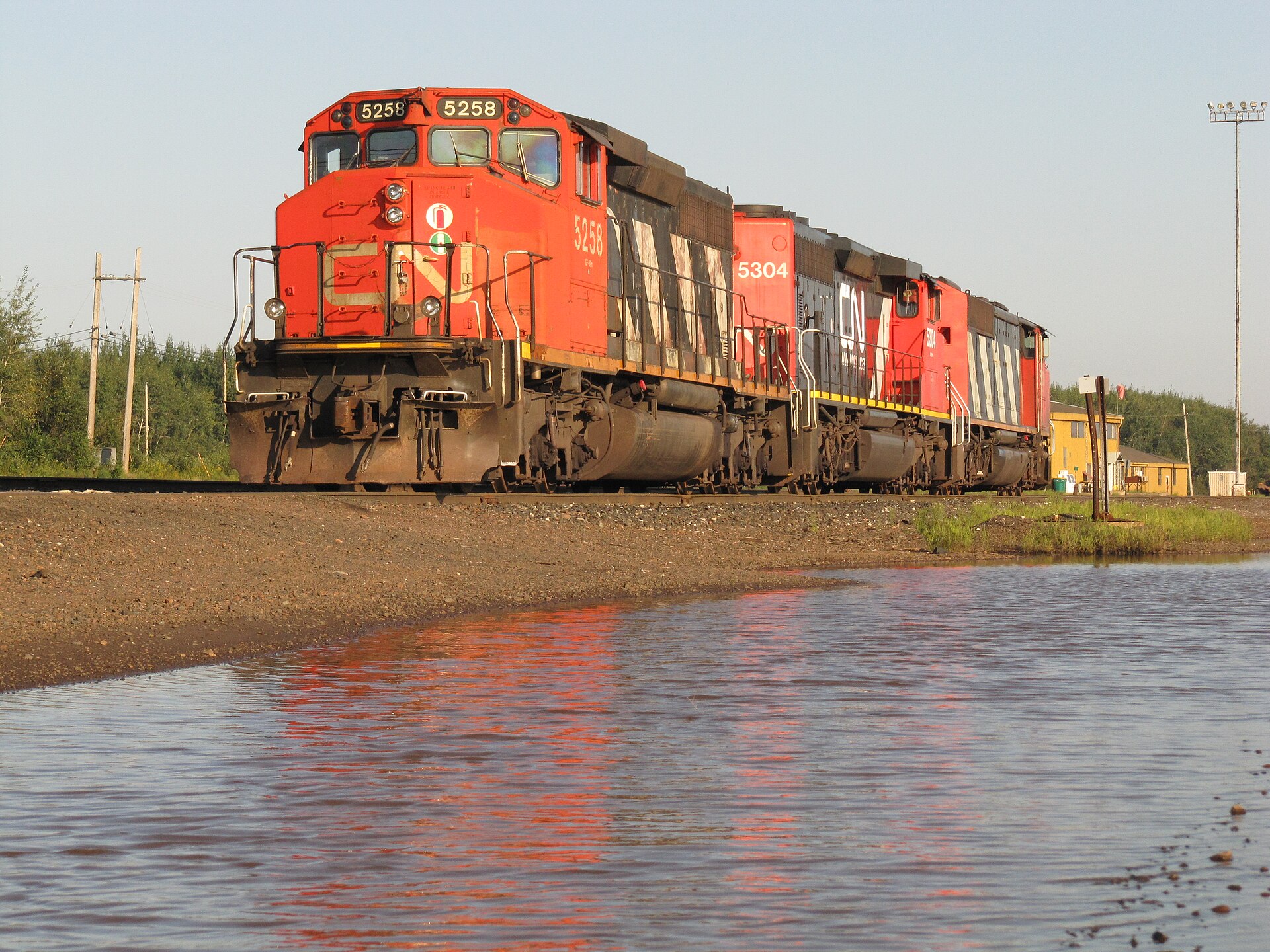
Proctor is the railroad town on the hill above Duluth: a compact grid of worker cottages and bungalows built around what was once the largest ore-sorting yard in the world. It has its own small district, ISD 704, a short main street, and some of the most affordable housing in the metro at roughly $163 a square foot. The Munger Trail starts here and Spirit Mountain is minutes away. The freight trains are still running, and you will hear them.
Everything about Proctor
Each part of the Proctor guide has its own page. Start anywhere.
Proctor sits at the top of the grade southwest of Duluth, on flat ground above the ridge, about 13 minutes from downtown and 10 from the Miller Hill retail corridor. It is a separate incorporated city of roughly 3,000 people with its own government, its own school district, its own police force, and a downtown ...
HistoryProctor is a company town in the most literal sense. In 1891 the Merritt brothers of Duluth organized the Duluth, Missabe and Northern Railway to move iron ore from the newly opened Mesabi Range to the Lake Superior docks. The line needed a place above the Duluth hillside where it could assemble, sort, and hold ...
CharacterProctor feels like a small town that has not been renovated into a lifestyle. The main street is short and functional, the houses are modest and close together, the yards have garages and trailers and firewood in them, and nobody is performing charm. That plainness is the appeal for the people who choose it.
Who lives hereProctor reads as a working family and long-tenure town. The most visible household types are families with school-age children, drawn by ISD 704's small schools and by prices that let a single income or a modest dual income buy a house, and older owners who bought decades ago, often in railroad or trades households, and ...
HousingProctor's housing is old, small, and well suited to a buyer who is willing to work. The core of the city is a platted grid of numbered avenues laid out around the yard between roughly 1895 and 1930, filled with gable-front worker cottages, Craftsman bungalows, and a scattering of four-squares. Between the wars and after, ...
SchoolsProctor is served by Proctor Public Schools (ISD 704), which enrolls about 1,848 students across its four main schools plus an early childhood center and alternative programs (NCES Common Core of Data, 2024-2025, accessed 2026-08-14). That total is the sum of the buildings below plus the 36 in the early childhood center, so the figures ...
Parks & recreationProctor's own park system is small and functional: ballfields, a soccer field, a playground and pavilion, and the gazebo grounds at the historical museum (City of Proctor, accessed 2026-08-13). What makes the recreation picture here strong is not what the city owns but what it sits next to.
Restaurants & diningProctor's dining is small and honest, and most of the good eating in the area is a short drive away rather than in town.
Churches & worshipProctor is a car town with excellent regional access. Downtown Duluth is about 13 minutes, the Miller Hill corridor about 10, the Duluth International Airport about 12, and Superior about 18. US 2 runs along the south edge with immediate I-35 access, which makes Proctor one of the easier addresses in the metro for anyone ...
Safety & feelProctor reads as a quiet, low-traffic small city with a compact walkable core, sidewalks on the older grid, and activity concentrated around the school, the rink, and the ballfields. Street lighting is present on the main routes and thinner on the outer blocks.
Daily lifeProctor handles the basics in town and sends you up the hill for everything else. Gas, convenience, and a handful of service businesses sit along US 2 and 5th Avenue, and the city has historically had a grocery of its own, though small-market grocery has been volatile across the region and the current situation should ...
Local loreThe town is named after a man who made fun of Duluth. J. Proctor Knott's speech of January 27, 1871 ridiculing the idea of a railroad to Duluth killed the bill and made him famous, and the rail town on the hill incorporated as Proctorknott in 1894 anyway. It was shortened to Proctor in 1904. ...
Is it right for you?You will love Proctor if you want a small town with a real school district and a real main street, at a price that still works on an ordinary income, ten minutes from everything the metro has. It suits first-time buyers who are handy, families who want a small high school without a rural commute, ...
How Proctor scores
Is Proctor right for you?
You'll love it if
- Genuinely affordable by Twin Ports standards, at roughly $163 per square foot in mid-2026 against about $186 citywide in Duluth and about $275 in Hermantown (Redfin).
- Its own small district. Proctor Public Schools (ISD 704) enrolls about 1,848 students across four attendance-area schools, with a high school of roughly 540, so kids get a small-school experience without a rural commute.
- The Willard Munger State Trail starts here. Sixty-three paved, car-free miles south through Jay Cooke, straight from town.
- Spirit Mountain is minutes away for alpine skiing, tubing, and one of the better lift-served mountain bike parks in the Midwest.
- A real, if small, downtown. A few blocks of storefronts, city offices, and a museum, which is more of a town center than any other Duluth suburb has.
- Ten minutes to Miller Hill and thirteen to downtown Duluth, with immediate I-35 access from US 2.
Look elsewhere if
- Active rail yard. Train noise is constant on the blocks near the tracks, and that is not a fixable condition, it is the reason the town exists.
- Old, hard-used housing stock. Knob-and-tube, asbestos, undersized service, and aging sewer laterals are routine findings on the pre-1940 blocks.
- The market is tiny and the published statistics are unreliable. A handful of sales in a month can move the reported median by six figures, so do not trust an automated valuation here.
- Very little new construction, and almost no single-level or low-maintenance options compared with Hermantown next door.
- No lake, no lake view, and a real drive to the Lakewalk or Park Point.
- Nightlife is essentially one or two bars and Black Woods on the highway. For a restaurant night you drive.
If you like Proctor, also look at
Ten minutes north, newer construction and a bigger district at a much higher price per square foot.
Bayview HeightsDirectly east across the city line, Duluth-addressed but ISD 704-schooled and functionally part of the same community.
Spirit ValleyDown the hill into west Duluth, a walkable commercial district and ISD 709 schools at similar prices.
PiedmontNortheast along the ridge, hillside views, older stock, and the Piedmont trail network.
Canosia Township and Pike LakeNorth past Hermantown, lake lots and rural parcels, many of them in the same ISD 704 district via Pike Lake Elementary.
Midway TownshipWest of the city, township parcels with larger lots and a rural tax structure.
Proctor head to head
Common questions about Proctor
How much do homes cost in Proctor, MN?
Proctor trades at roughly $163 per square foot as of mid-2026, up about 19% year over year, which is below Duluth's citywide figure of about $186 and far below Hermantown's roughly $275 (Redfin, accessed 2026-08-13). Be careful with any reported monthly median for Proctor: the city closes so few sales per month that a single expensive transaction can swing the median by six figures, and the mid-2026 reported median of about $500,000 is exactly that kind of artifact. Get comps from an agent rather than an automated estimate.
What school district is Proctor in?
Proctor Public Schools, ISD 704, which enrolls about 1,848 students across four attendance-area schools: Bay View Elementary, Pike Lake Elementary, A.I. Jedlicka Middle School, and Proctor Senior High School, which has roughly 540 students in grades 9 through 12 (NCES Common Core of Data, 2024-2025, accessed 2026-08-14). The district also serves Duluth's Bayview Heights neighborhood and parts of the Pike Lake area north of the city. Boundaries change, so confirm your address with the district.
How bad is the train noise in Proctor?
On the blocks near the yard it is significant and constant, and it is not going away. Proctor exists because the Duluth, Missabe and Northern needed flat ground above the hill for an ore yard in 1892, and freight still moves through the middle of town. Blocks on the north and west sides of the city are much quieter. Stand on a specific street at different times of day before you decide, because this is the one thing about Proctor that people either stop noticing entirely or never stop noticing.
Why is Proctor named Proctor?
For J. Proctor Knott, the Kentucky congressman whose speech of January 27, 1871 ridiculing federal support for a railroad to Duluth killed the bill and became one of the most famous pieces of political satire of its era. Duluth took the joke well enough that the rail town on the hill incorporated as the village of Proctorknott in 1894, and the name was shortened to Proctor in 1904.
What is there to do in Proctor?
Spirit Mountain is minutes away for skiing, snowboarding, tubing, and lift-served mountain biking. The Willard Munger State Trail's northern trailhead is in town, with 63 paved miles running south through Jay Cooke State Park. Proctor Speedway runs weekly dirt track racing in summer. And the Superior Hiking Trail and the old-growth maple at Magney-Snively are on the ridge above the city.
Is Proctor a good first home market?
It is one of the better ones in this metro. Prices are meaningfully below Duluth's, the housing is modest and workable, the schools are small, and the location is 10 to 13 minutes from most of the region's jobs and retail. The counterweights are real: the stock is old and needs work, train noise affects a lot of the city, and there is almost no new construction if you would rather not renovate.
Know Proctor well?
Live here, grew up here, or just know it better than we do? Tell us what we're missing, a place we should cover, or something we got wrong.
Where these facts come from
- Redfin, Proctor MN housing market accessed 2026-08-13
- Zillow, Proctor MN home values accessed 2026-08-13
- NCES Common Core of Data, school list for Proctor Public Schools (per-building grade spans and 2024-2025 enrollment) accessed 2026-08-13
- City of Proctor, About Proctor (Proctorknott incorporated 1894, shortened to Proctor 1904) accessed 2026-08-13
- Star Tribune, Minnesota moment: A speech lampooning Duluth gave nearby Proctor its name accessed 2026-08-13
- Duluth Transit Authority, routes and schedules accessed 2026-08-13
- City of Proctor, Parks & Recreation accessed 2026-08-13
- City of Proctor, Schools & Places of Worship accessed 2026-08-13
- Proctor Area Historical Society, Village History accessed 2026-08-13
- Trains.com, Duluth, Missabe & Iron Range Railway: A History (Proctor yard, Proctor Hill grade, 1941 tonnage) accessed 2026-08-13
- Explore Minnesota, Proctor tourism (Spirit Mountain, Munger Trail) accessed 2026-08-13
- Minnesota Department of Revenue, Homestead Market Value Exclusion accessed 2026-08-13
- NWS Duluth, seasonal snowfall records and normals accessed 2026-08-13
- USGS Elevation Point Query Service, spot elevations at verified geocoded points accessed 2026-08-14
Last reviewed 2026-08-13 by Guide editorial.